Play without a script: making room for curiosity
A tower becomes a bridge; a shape finds a new name. Small invitations to give play more time and fewer ready-made answers.
When one piece can be many things
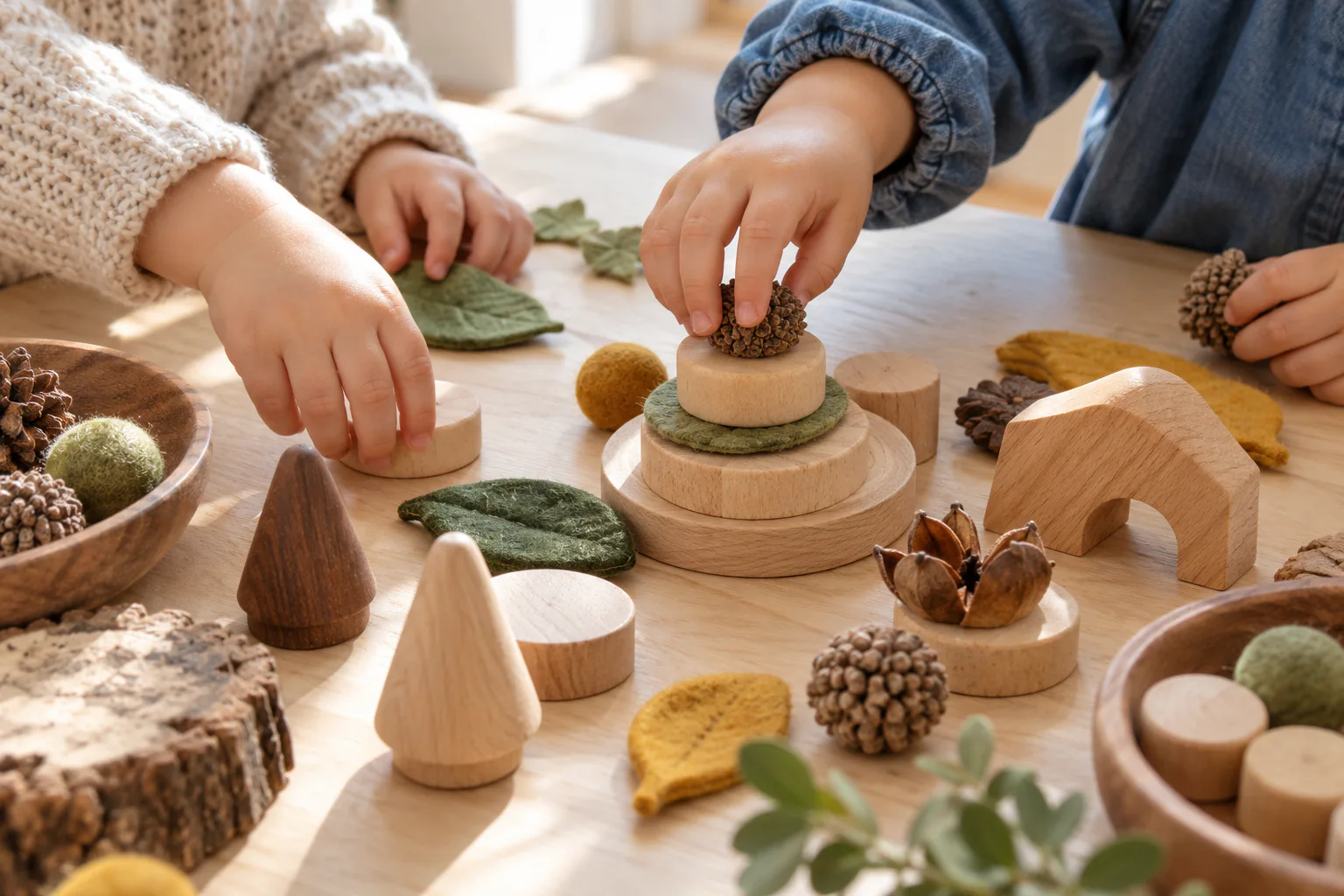
A few wooden blocks sit on a table. One becomes a house; another, a boat. The same piece changes its role without changing its shape. In this simple scene, the interesting part is not reaching a finished model but following the direction the play takes.
Watching from nearby, it can be tempting to show how to build a taller tower. There is another possibility: waiting. Before suggesting a destination, we can notice what the child is already trying to invent. Perhaps a tower was never their idea in the first place.
Questions that leave a door open
“What are you making?” and “What could happen next?” leave room for different answers. They do not need to become a string of questions. Sometimes a comment about a chosen colour or the way two pieces balance is enough to join in.
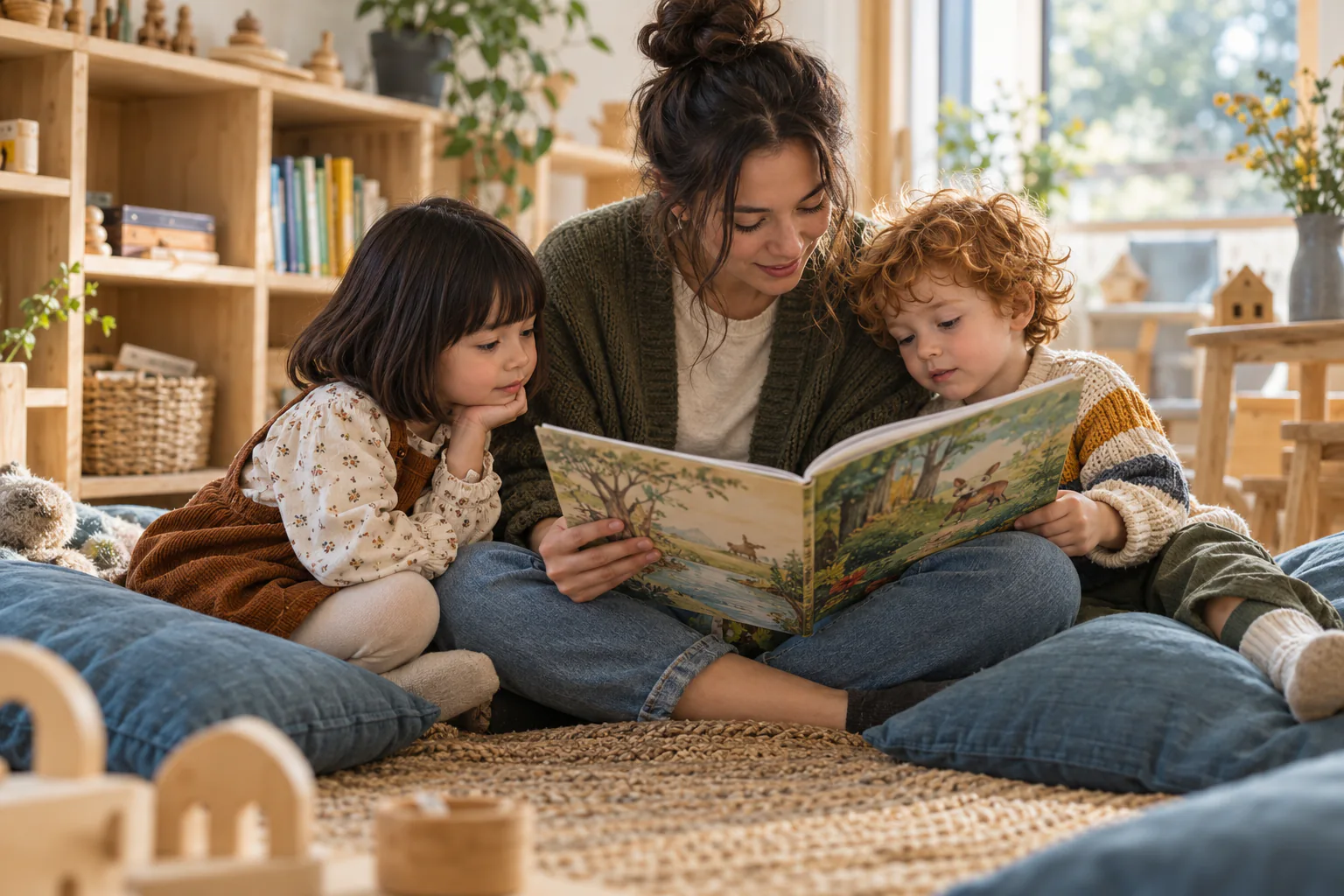
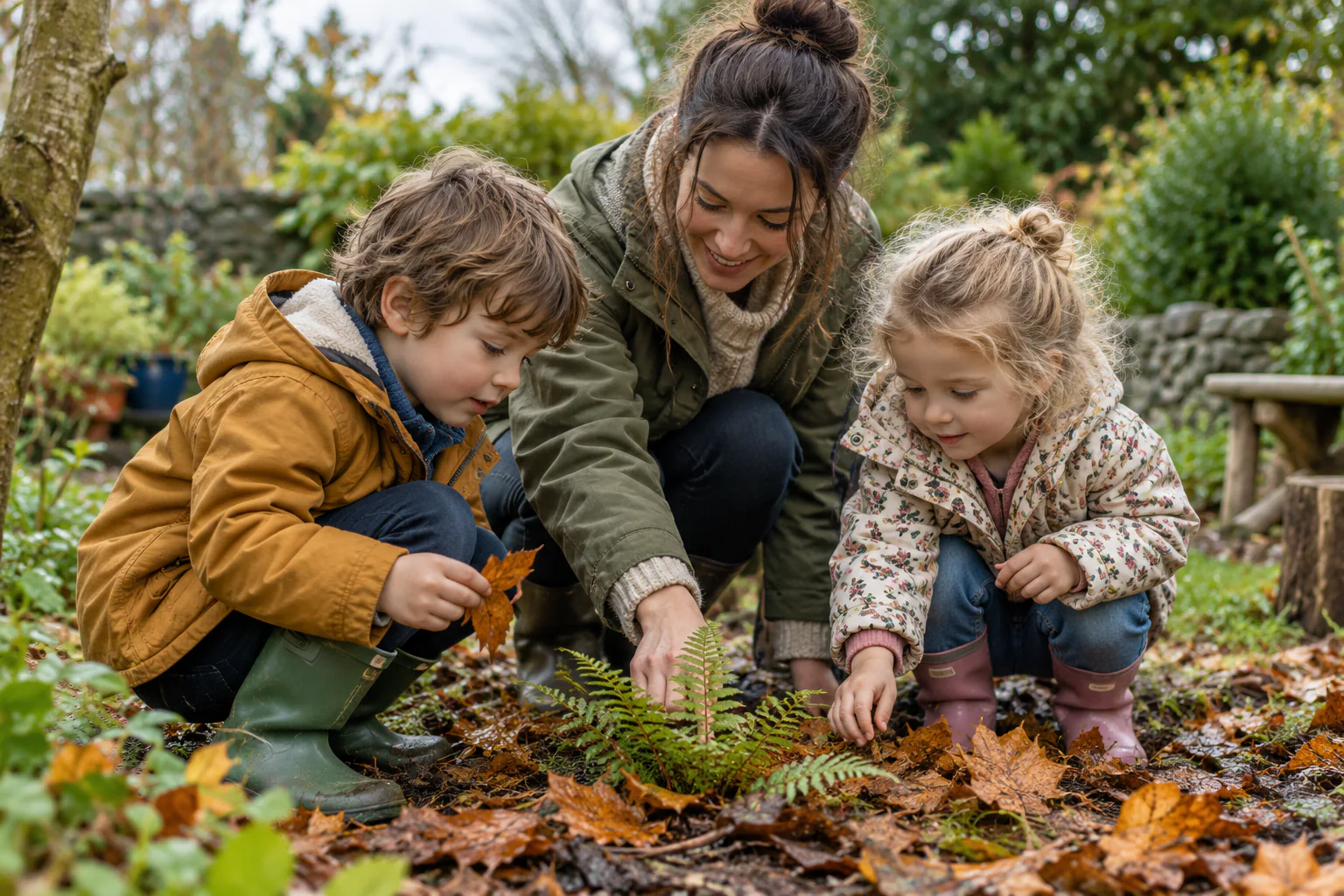
There is room for quiet, too. A child absorbed in an experiment may want to continue before sharing the story. Being nearby, listening when they want to speak and welcoming an unexpected idea are ways to share the moment without directing every step.
It does not have to match
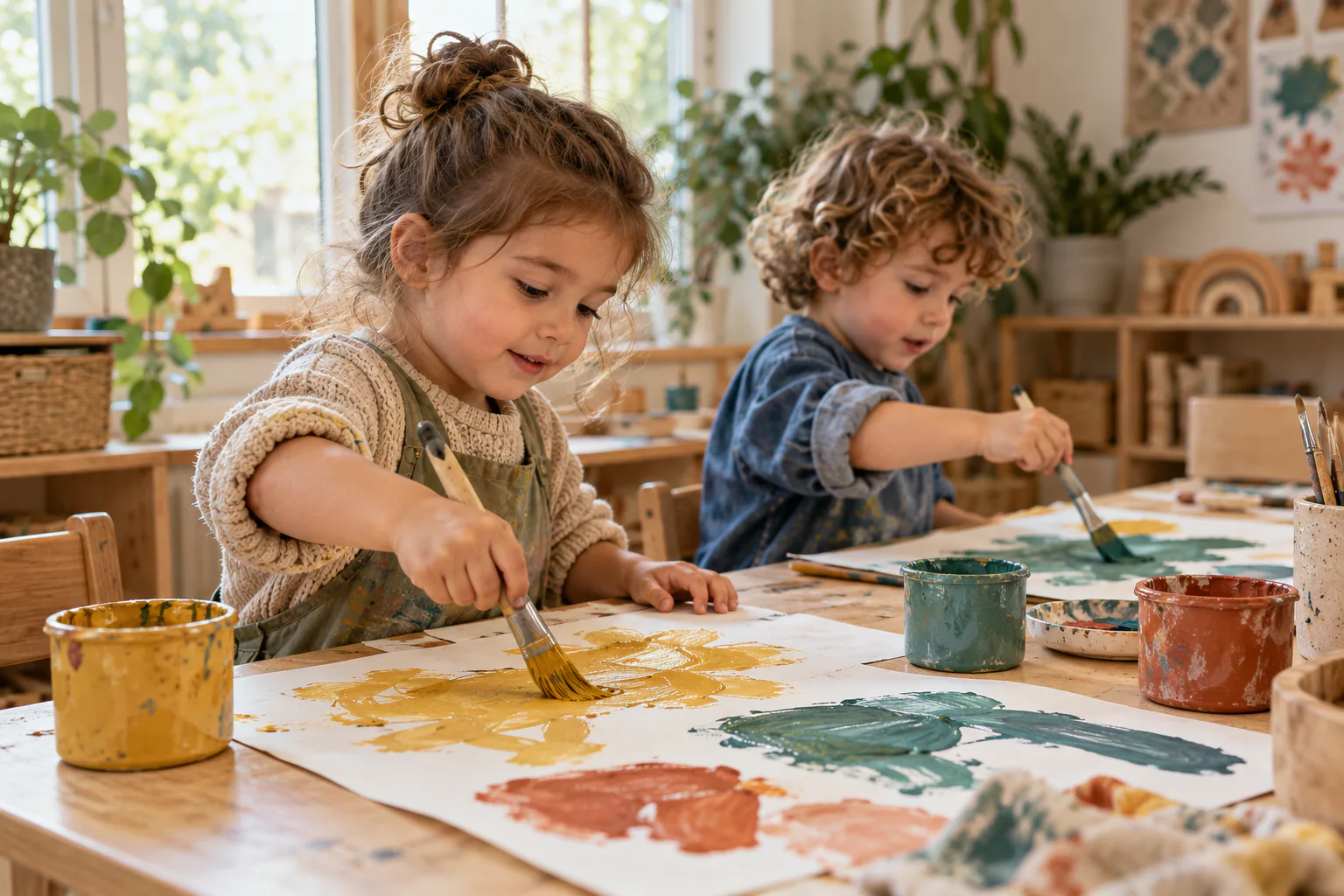
A construction might fall and become something else. A drawing might be finished before the page is full. The visible result tells only part of the story: choices, pauses and changes of mind belong to that meeting with the materials as well.
Instead of looking for the right way to build, we can notice details: two pieces leaning together, a path taking a turn, a shape finding a new name. The invitation is to follow the discovery, with age-appropriate materials and adult supervision.
Keep the story as well as the result
At the end there may be a bridge, a line of blocks or simply a wish to play again. If the child wants to share, a small question — “Would you like to tell me about it?” — can reveal a story the finished picture cannot show.
Not every moment needs to become a planned activity or a keepsake. Some discoveries belong to the moment itself. Valuing that moment is a lovely way to approach curiosity: with attention, presence and an openness to what we do not yet know.